Yin and Yang
The Balance of Design
As a designer who has stitched countless projects from custom apparel to handmade gifts, I approach every embroidery design with the same question: will this work in real life? Yin and Yang is a classic symbol, but its execution in embroidery can make or break a project. Let’s take a closer look at how it performs in practical scenarios.
A First Impression
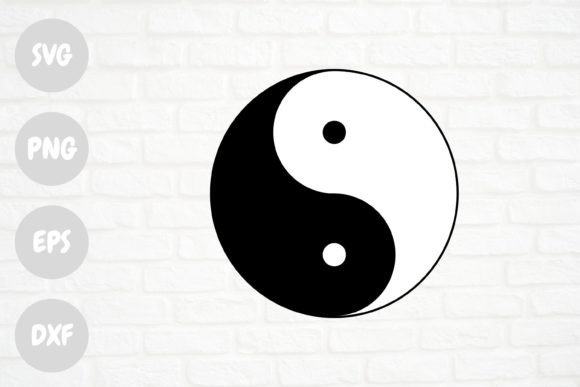
At first glance, Yin and Yang feels balanced, calm, and intentional. The interlocking shapes create a sense of harmony that’s both visually pleasing and emotionally resonant. It’s a design that speaks to duality—light and dark, masculine and feminine, movement and stillness. This makes it versatile for a wide range of applications, from minimalist products to more complex compositions.
The layout is clean, with clear separation between the two elements. There’s no overwhelming detail, which is a plus for those looking to keep their designs simple yet meaningful. However, the simplicity also means that the design relies heavily on contrast and clarity in stitching.
Real-Life Use Cases
When considering where Yin and Yang fits best, I think of everyday items like tote bags, T-shirts, and baby clothes. A custom embroidered tote bag with Yin and Yang can serve as a subtle statement piece. It’s not too bold, but still enough to catch the eye. Similarly, a T-shirt with this design could be a great addition to a casual wardrobe or a gift for someone who appreciates thoughtful design.
For baby items, the design works well on onesies, bibs, and blankets. Its calming nature makes it suitable for nursery decor. On a cap or hat, it adds a touch of sophistication without being too busy. Even on a mug or tumbler, the design maintains its visual impact, making it a strong candidate for personalized gifts.
However, I would caution against using Yin and Yang on small hoop sizes or curved surfaces like caps. The design’s complexity might get lost in tight spaces, and the curves can cause stitching issues if not properly handled. Also, on textured or stretchy fabrics, the design may not sit as smoothly as it does on flat, smooth surfaces.
Stitching Clarity and Visual Appeal
One of the most important factors when evaluating an embroidery design is stitch clarity. Yin and Yang needs to maintain its shape and balance when stitched. If the file is too dense or too sparse, it can lose its intended effect. I recommend testing the design on scrap fabric first to ensure that the stitches are even and that the design holds up under close inspection.
Thread color contrast is another key consideration. While the design itself is black and white, the actual thread colors used can drastically change the mood. A bright red or blue thread can add energy, while a muted gray or brown can give it a more subdued feel. Always test different thread combinations to find the right match for your project.
Additionally, the use of stabilizer is crucial for maintaining the integrity of the design. Especially on delicate or stretchy fabrics, proper stabilizer can prevent puckering and distortion. For darker fabrics, consider using a light-colored stabilizer to enhance visibility and reduce shadowing.
Design Assets and Commercial Use
If you’re planning to sell finished products or digital files, it’s important to confirm licensing terms. Yin and Yang is available for instant download, but the specifics around commercial use should be clear. As an Etsy seller or small shop owner, knowing whether you can use the design for multiple products or resell it is essential.
Printable mockups and digital previews are also helpful tools for assessing how the design will look in different contexts. Testing it on various fabric types and lighting conditions can help you determine the best use cases and avoid potential disappointments.
Practical Designer Notes
- Test on scrap fabric: Before committing to a final product, always run a test to ensure the design performs as expected.
- Check thread color contrast: Choose threads that complement the design and enhance its visual appeal.
- Review stitch density: Ensure the design isn’t too dense or too sparse for the intended fabric and application.
- Confirm hoop size: Select a hoop that allows the design to fit comfortably without stretching or distorting.
- Inspect small details: Pay attention to corners, edges, and any intricate parts of the design.
- Test in black and white: This helps identify any potential issues with contrast and clarity.
- Compare light and dark backgrounds: The design should look good on both, depending on the project.
- Use proper stabilizer: This ensures the design stays in place and looks professional.
- Check for commercial use: Confirm whether the design can be used for personal or business purposes.
- Confirm licensing: Before selling finished items or digital products, ensure you have the right to do so.
Final Thoughts
Yin and Yang is a design that balances simplicity with meaning. When used thoughtfully, it can elevate a wide range of embroidery projects. Whether you’re creating a custom sweatshirt, a handmade patch, or a boutique product, this design offers a timeless aesthetic that appeals to both personal and commercial audiences.
As a designer, I recommend approaching Yin and Yang with care and intention. With the right preparation and attention to detail, it can become a standout element in your portfolio or a trusted asset in your craft business. Just remember: the goal is not just to stitch the design, but to make it resonate with your audience and reflect the quality of your work.