Skeleton Embroidery Design Review
First Impressions: A Bold and Versatile Choice
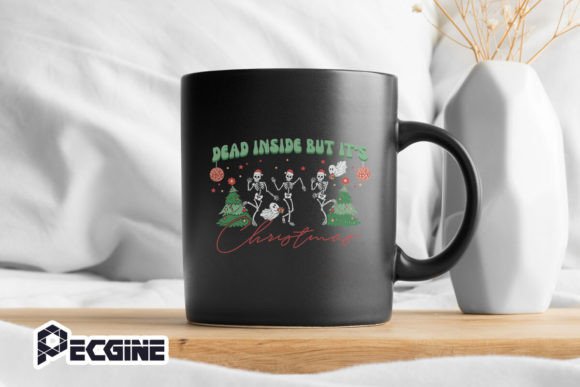
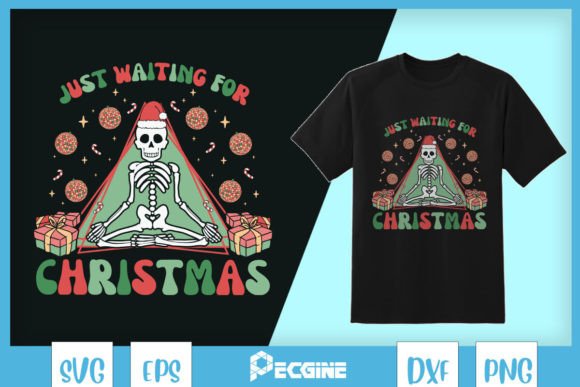
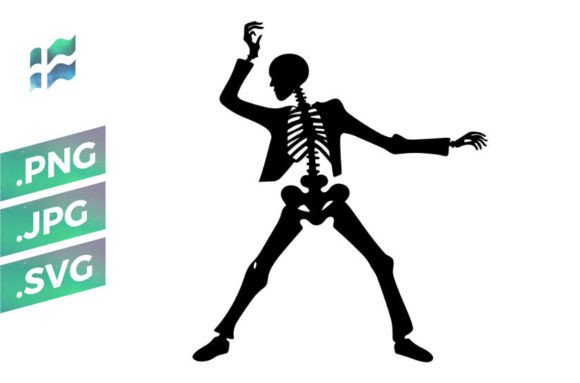
The Skeleton design immediately catches the eye with its clean, minimalist approach. It’s not your typical spooky or macabre skeleton—this one feels more like a stylized figure, almost like a dancer in motion. The lines are smooth, the proportions balanced, and the overall aesthetic leans toward the modern and edgy. This makes it a great fit for a variety of projects, from custom apparel to personalized gifts.
A Perfect Fit for Custom Apparel and Personalized Projects
As an experienced designer, I can see how the Skeleton could easily translate into a custom apparel project. Imagine adding it to a sweatshirt or tote bag design as a subtle yet striking detail. Its simplicity allows for easy customization—changing colors, adjusting size, or even modifying the shape to suit different fabric types or hoop sizes.
I also envision using this design for personalized gifts, such as baby clothes, holiday embroidery, or even embroidered patches. The Skeleton has a certain visual weight that makes it stand out, but it’s not so overwhelming that it drowns out other elements on a garment. This balance is key for creating a visually appealing finished product.
Real-Life Scenario: Preparing a Custom Embroidered Tote Bag
Let’s say I’m preparing a custom embroidered tote bag for a client. The Skeleton design would be a perfect addition, especially if the client wants something unique and memorable. I’d start by testing the design on scrap fabric to ensure the stitch density and thread color contrast work well together. Since the design is SVG-based, it should offer good scalability and flexibility for different fabric types.
I’d also consider the hoop size needed for the design. While the Skeleton isn’t overly detailed, it still requires enough space to maintain clarity and definition. If the design is too large for the hoop, it might lose some of its impact. Testing on different hoop sizes before committing to a final product is always a smart move.
Where to Use Carefully: Fabric and Surface Considerations
While the Skeleton is versatile, there are situations where it might require extra attention. For example, using it on thin or stretchy fabrics could lead to distortion or poor stitch quality. Similarly, applying it to dark fabrics may reduce the visibility of the design unless the thread colors are chosen carefully.
Another consideration is curved surfaces like caps or hats. The Skeleton’s lines and angles might not translate well to these surfaces without additional adjustments. It’s important to test the design on a mockup or sample before moving forward with a commercial project.
Design Quality and Visual Appeal
The Skeleton offers a good level of detail without being overly complex. This makes it suitable for both handmade products and commercial embroidery projects. The clean lines and minimalistic style give it a modern edge, which can help elevate the overall look of a product.
From a visual appeal standpoint, the Skeleton has a strong presence, but it doesn’t overpower the rest of the design. This makes it ideal for use as a focal point or a subtle accent. When paired with complementary elements, it can create a cohesive and professional look.
Practical Designer Notes for Success
- Test on Scrap Fabric: Always run a quick test before committing to a full project. This helps catch any potential issues early on.
- Check Thread Color Contrast: Ensure the thread colors provide enough contrast against the fabric background, especially for dark or light-colored garments.
- Review Stitch Density: A higher stitch density can enhance the design’s detail, but it may also increase the time and effort required for stitching.
- Confirm Hoop Size: Make sure the design fits within the available hoop size to avoid distortion or loss of detail.
- Inspect Small Details: Pay close attention to corners, edges, and any intricate parts of the design.
- Use Proper Stabilizer: Especially for delicate or textured fabrics, using the right stabilizer can make a big difference in the final result.
- Test in Black and White Mockups: This helps identify any potential issues with contrast or clarity before adding color.
- Compare Light and Dark Backgrounds: Ensure the design looks good on both light and dark fabrics.
- Check Licensing Terms: If you plan to sell finished items or digital products, confirm the licensing terms before proceeding.
Conclusion: A Reliable Choice for Creative Entrepreneurs
The Skeleton is a solid choice for designers looking to add a unique touch to their craft business or Etsy listings. Its versatility, clean design, and ease of customization make it a valuable asset for both personal and commercial projects. Whether you’re creating holiday embroidery, personalized gifts, or small shop merchandise, the Skeleton offers a fresh and modern aesthetic that can elevate your handmade products.