Quirky Trees
A Spooky Accent for the Craft Room
As a designer who’s stitched through countless projects, I’ve learned that the right embroidery design can make or break a handmade product. Quirky Trees is one such design that immediately catches the eye with its playful yet eerie aesthetic. It’s not just another Halloween graphic—it’s a statement piece that invites curiosity and conversation. The first thing I noticed was the mood it evokes: a mix of whimsy and macabre, perfect for those who want to infuse their crafts with a touch of the supernatural.
Design First Impressions
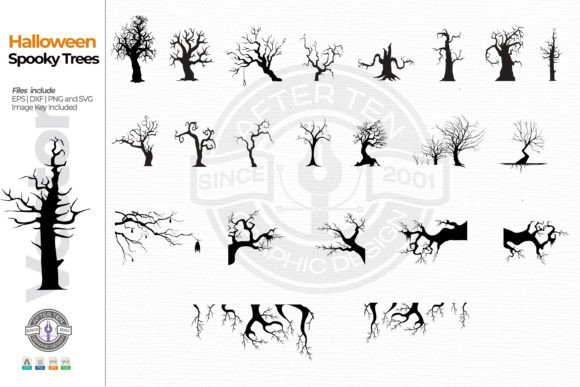
Quirky Trees features a collection of tree silhouettes with ghostly elements, some adorned with tiny hats and spooky accessories. The layout is clean and uncluttered, allowing each tree to stand out on its own. The visual personality is light-hearted but slightly unsettling, which makes it ideal for a variety of applications. Whether you're creating a custom embroidered tote bag or a baby costume, this design has the versatility to adapt to different themes and audiences.
Real-Life Use Case: Custom Embroidered Tote Bag
I recently had a client looking to create a limited-edition tote bag for a local craft fair. The goal was to offer something unique and memorable. After reviewing several options, Quirky Trees stood out as a great fit. The trees could be placed along the handle or as a central motif on the front panel. Their spooky charm would appeal to both Halloween enthusiasts and those who appreciate quirky, handcrafted items.
However, I also considered how the design would perform in real-life stitching. The tree shapes are well-defined, making them suitable for satin stitch and fill stitch techniques. The ghostly details require careful attention to stitch density to ensure they remain visible without becoming overwhelming. Testing the design on scrap fabric first is always a good idea, especially when working with intricate patterns like these.
Embroidery Performance Across Products
Quirky Trees works well across a range of products, from custom apparel to holiday gifts. On a sweatshirt, the design can add a subtle yet striking element, while on a cap or hat, it can become a focal point. For baby clothes, the smaller scale of the trees makes them more appropriate, and the baby-themed designs offer a softer, more family-friendly option.
When considering commercial use, it's important to check the licensing terms. If you're planning to sell finished products or digital files, confirming the rights to use and distribute the design is crucial. Also, the design’s compatibility with various hoop sizes and machine types should be verified before committing to a large production run.
Where to Use with Caution
While Quirky Trees is versatile, there are certain scenarios where it may not perform as well. Small hoop sizes can cause distortion, especially if the design includes detailed elements like the ghostly hats. Textured fabrics and stretchy materials can also affect stitch clarity, so using the right stabilizer is essential. Dark fabric backgrounds may reduce the visibility of the design, making it harder to see the ghostly details. In such cases, testing the design in black and white mockups can help identify potential issues early on.
Additionally, curved surfaces like caps or aprons may require adjustments to the design layout to maintain proportion and balance. Dense stitch areas and small lettering should be inspected closely to ensure they don’t become too tight or lose definition during the embroidery process.
Impact on Visual Appeal and Product Value
The visual appeal of Quirky Trees is undeniable. Its unique combination of spooky and cute elements creates a memorable impression, which is key for handmade products and personalized gifts. A well-executed embroidery project featuring this design can elevate the perceived value of a product, especially when used in boutique branding or Etsy listings.
From a customer perspective, the design adds a sense of personality and creativity, making it more likely to be appreciated and shared. This can lead to increased engagement, repeat purchases, and even word-of-mouth marketing. For small shop owners and crafters, incorporating Quirky Trees into your product lineup can help differentiate your offerings in a competitive market.
Practical Design Notes for Embroidery Professionals
If you're an embroidery designer or small business owner, here are a few practical tips to keep in mind when working with Quirky Trees:
- Test on scrap fabric: Always test the design on a scrap piece of fabric before proceeding with a final product.
- Check thread color contrast: Ensure the thread colors provide enough contrast against the chosen fabric background.
- Review stitch density: Adjust stitch density to maintain clarity, especially in dense areas or small details.
- Confirm hoop size: Choose a hoop that accommodates the design without causing distortion.
- Inspect small details: Pay close attention to the ghostly elements and any decorative accents.
- Test in black and white: This helps identify any hidden issues with the design structure.
- Use proper stabilizer: Select a stabilizer that supports the fabric type and design complexity.
- Consider both personal and commercial use: Ensure the design meets the needs of both individual projects and larger-scale production.
- Verify licensing: Confirm the terms of use before selling finished products or digital files.
Final Thoughts
Quirky Trees is a design that balances creativity with practicality. It offers a unique visual language that can enhance a wide range of embroidery projects, from custom apparel to holiday gifts. While it requires some care in execution, the result can be a standout product that resonates with customers and elevates your brand.