Pumpkins
First Impressions: A Spooky Elegance
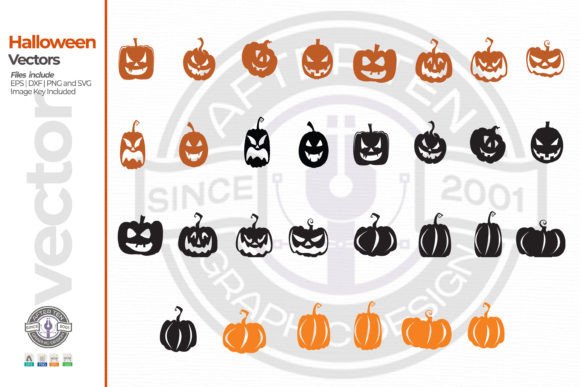
The moment I first saw Pumpkins, I was struck by its subtle yet effective Halloween vibe. The design is clean, with a focus on the central element—pumpkins—that immediately communicates the theme. The shapes are well-defined, and the overall layout feels balanced. It’s not overly busy, which makes it versatile for different projects. The visual personality leans toward spooky yet approachable, making it suitable for both casual and more refined handmade products.
Real-Life Use Case: Custom Embroidered Tote Bag
Imagine creating a custom embroidered tote bag for a local craft fair. Pumpkins would be an excellent choice to add a seasonal touch without overwhelming the design. When stitched onto a canvas tote, the design maintains its clarity and charm. The pumpkins are large enough to stand out but not so big that they dominate the space. This makes it ideal for items like tote bags, where the design needs to be visible from a distance.
However, there are some considerations. For instance, if you're using a small hoop size, the detail may not come through as clearly. Also, when working with textured fabrics like canvas, the stitch density can affect how the design looks. Testing on scrap fabric is always a good idea before committing to a final product.
Embroidery Performance Across Product Types
Pumpkins performs well across a variety of embroidery applications. On custom apparel such as sweatshirts or t-shirts, the design adds a festive touch without being too loud. It works particularly well on lighter-colored fabrics, where the colors pop. On darker backgrounds, the contrast might be less pronounced, so it's important to test thread color choices carefully.
For baby embroidery, the design is gentle and playful, making it perfect for items like onesies or bibs. The pumpkins are large enough to be easily recognizable, which is especially important for younger audiences. However, the design does have some intricate details that could be challenging on very thin or stretchy fabrics. In such cases, using the right stabilizer is crucial to maintain stitch integrity.
When applied to patches or embroidered caps, Pumpkins holds up well. The rounded shapes fit naturally on curved surfaces, and the design doesn’t lose its appeal when viewed from different angles. However, on hats with tight curves, some parts of the design might get stretched slightly, so careful placement is recommended.
Design Considerations for Specific Applications
There are certain scenarios where Pumpkins should be used with caution. For example, on small hoop sizes, the design might appear cramped or lack detail. Similarly, on textured fabrics like denim or canvas, the stitch density could create a grainy appearance. It’s also worth noting that Pumpkins may not work as well on dark fabric unless high-contrast thread colors are used.
On layered garments or curved surfaces, the design may require additional support to ensure even stitching. If you're planning to use Pumpkins on a teapot or pillow cover, consider how the design will interact with the surface texture and whether it will remain legible after repeated washing.
Visual Appeal and Customer Trust
The visual appeal of Pumpkins is one of its strongest assets. It has a natural flow and balance that makes it feel cohesive and intentional. When used in a handmade product, it adds a sense of care and attention to detail that customers appreciate. This can enhance customer trust, especially for those who value quality and craftsmanship.
From a branding perspective, Pumpkins offers a consistent visual identity that can be used across multiple product lines. Whether you're selling on Etsy, creating boutique merchandise, or producing digital design assets, the design maintains its appeal and relevance. It’s also highly giftable, making it a great option for holiday or personalized gifts.
Practical Designer Notes
Before using Pumpkins in a real project, there are several practical steps to consider. First, always test the design on scrap fabric to ensure it looks as expected. Check thread color contrast against your chosen fabric background. Review the stitch density to make sure it’s appropriate for the fabric type and hoop size.
It’s also important to confirm the hoop size and whether the design includes all necessary elements for a complete project. Inspect small details like tiny lettering or decorative accents to ensure they’re clear and legible. Test the design in black and white mockups to see how it looks in different lighting conditions.
Finally, always use proper stabilizer to prevent puckering and ensure smooth stitching. Confirm licensing terms before selling finished items or digital embroidery files. With these considerations in mind, Pumpkins can be a valuable addition to your craft business or digital product offerings.